Social Management
At GPG Social Responsibility is understood as the compound of actions designed to establish relationships based on trust, stable, solid and of mutual benefit with our stakeholders and the areas where GPG Naturgy Group operates.
The Principles and Politics Declaration establish the common frame of action and guides the socially responsible behavior for every Naturgy Group company.
Aligned with this document, and its principles, GPG is committed to the economic and social development of the regions where it operates, bringing knowledge, management, as well as dedicating part of its benefit into social investment. A fluid and permanent dialog with the communities allows us to know the expectations and interests of affected collectives where it operates, while getting involved in its development.
Meanwhile, the Human Rights Politics of Naturgy and the affected collectives Politic cover the community respect efforts and the improvement of their quality of life. It requires the evaluation of the company’s activities’ social impact, and the definition of social management initiatives and programs for the identified social impacts in the communities around them.
For that, the Social Engagement Model procures the integration of social management as a discipline within the life cycle of new renewable generation projects. The Social Engagement Model, born from the Corporate Responsibility Politic, materializes social commitment acquired by the company within the territories it operates in. Based on a simple, flexible and practical approach, it aims to ensure the proper management of social opposition and the creation of shared value.
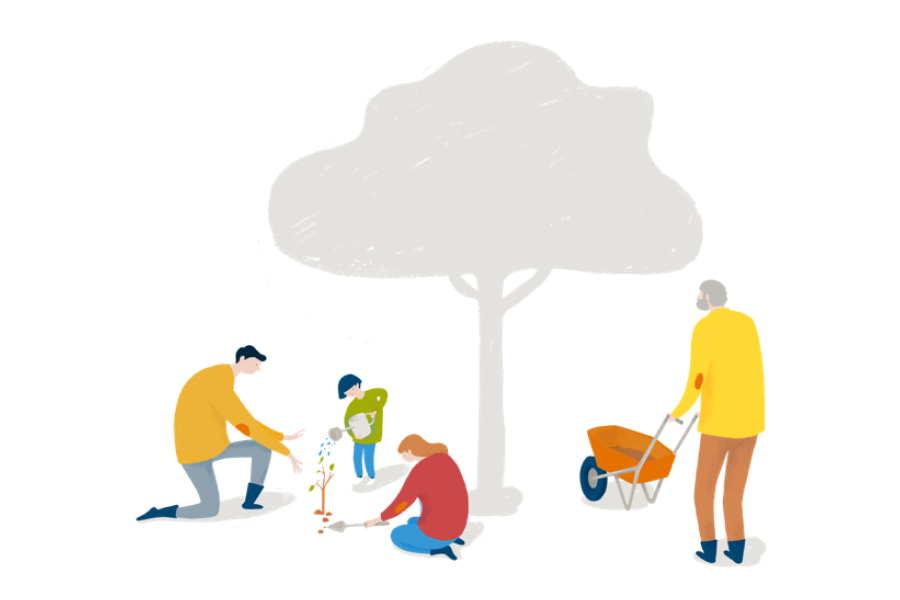
The Model is based on four fundamental principles of action:
- We are part of the territory: recognizing, respecting and protecting local values and idiosyncrasies.
- We are part of the territory: recognizing, respecting and protecting local values and idiosyncrasies.
- Creating shared value: together with the community, we promote actions that improve the quality of life in our surroundings.
- Creating shared value: together with the community, we promote actions that improve the quality of life in our surroundings.
¿How does the Model work?
- It is an iterative process supported by methodological tools focused on communication, dialog, active listening and rooting within the territory.
- It can be applied to every geographical area and project. Establishing the bare minimums compulsory for every project.
- It involves the whole organization, including directors, project teams and partners.
- It applies in every phase of a project (opportunity/ development / construction / operation / change or cease of activity)
- It includes a Social Management Plan with actions, social impact measurements, personnel and economic resources assigned.
Get to know the Social Management taking place in GPG
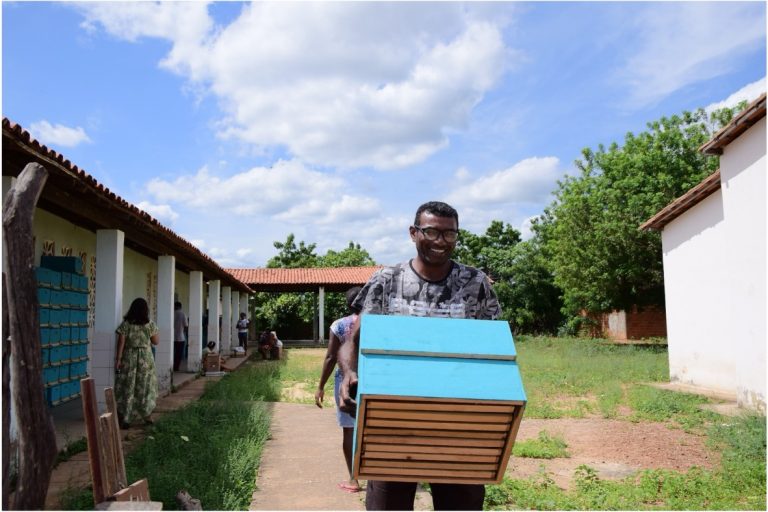
Australia has registered the most significant growth of GPG’s business, launching three wind farms, a solar hybrid plant with batteries and the construction of two more solar plants. The intense activity was complemented by the development and implementation of a specific Social Management Model, starting at the project development phase all the way to launching, focusing on constant communication with the most relevant stakeholders.
A few of the most highlighted initiatives from these programs have been:
- Actions for the benefit of the community: involving the participation of the neighbors in community events such as the Smoking Ceremony, the Community Open Day, the collaboration of the Melbourne Royal Children’s Hospital and sponsoring festivals around the Crookwell II area.
- Designing a specific person to carry out the community participation program and creating a commitment committee with the community for every project.
- Formativa and apprenticeship programs
- Scholarship programs in collaboration with various universities.
- GPG Australia Web Page
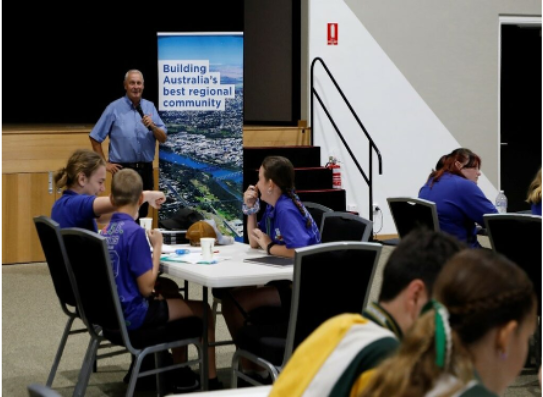
The company maintains ongoing collaboration with local communities, highlighting the following initiatives by facility:
- Bií Hioxo Wind Farm: Various donations of materials and social assistance vouchers aimed at vulnerable populations in surrounding communities; support through voucher donations to cooperatives in the fishing sector of the Seventh Section; rehabilitation of roads, shrines and sports infrastructure; maintenance, adaptation and procurement of materials for the Community Center located in the Seventh Section of Juchitán; collaboration with local Fire Departments; and cooperation with local schools for the construction and repair of classrooms and the provision of educational materials, aimed at preserving the Zapotec language and other Indigenous cultures.
- Tuxpan III and IV Combined Cycle Power Plant: Community engagement plan with communities located along the state road known as “Carretera de los Kilómetros,” from kilometer 0.000 to 16.000, developing activities related to the promotion of education and the provision of school supplies, such as the Xalag Chuchut Water School, as well as various biodiversity conservation initiatives, including Nakú Kayám and the Villamar Sea Turtle Camp.
- Durango Combined Cycle Power Plant: Collaboration with the Bebeleche Museum on a training urban garden project. Rainwater harvesting systems have also been implemented at Martín Luis Guzmán Kindergarten and Carlos Real Primary School in the town of Carlos Real, as well as at Benito Juárez Primary School in the town of Abraham González. In addition, a contribution was made toward the acquisition of an intensive care ambulance.
- Naco Nogales Combined Cycle Power Plant: Support for the Agua Prieta Fire Department in prevention and first-response actions; social initiatives aimed at promoting the annual fundraising campaign and the provision of food supplies for school cafeterias. Events promoting economic development have also been sponsored in collaboration with the Agua Prieta Department of Economic Development and Tourism.
- Hermosillo Combined Cycle Power Plant: Donations to local entities such as the Hermosillo Red Cross and the Fire Department, as well as support for Nueva Creación Primary School in La Cholla neighborhood. In addition, initiatives have been undertaken to rehabilitate rural roads and irrigation channels in the Bagotes 1 area.
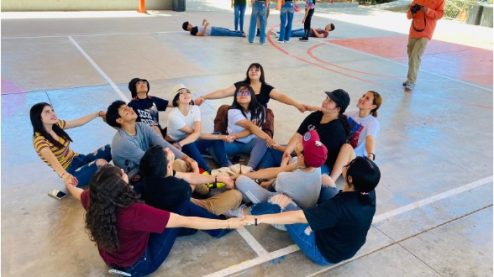
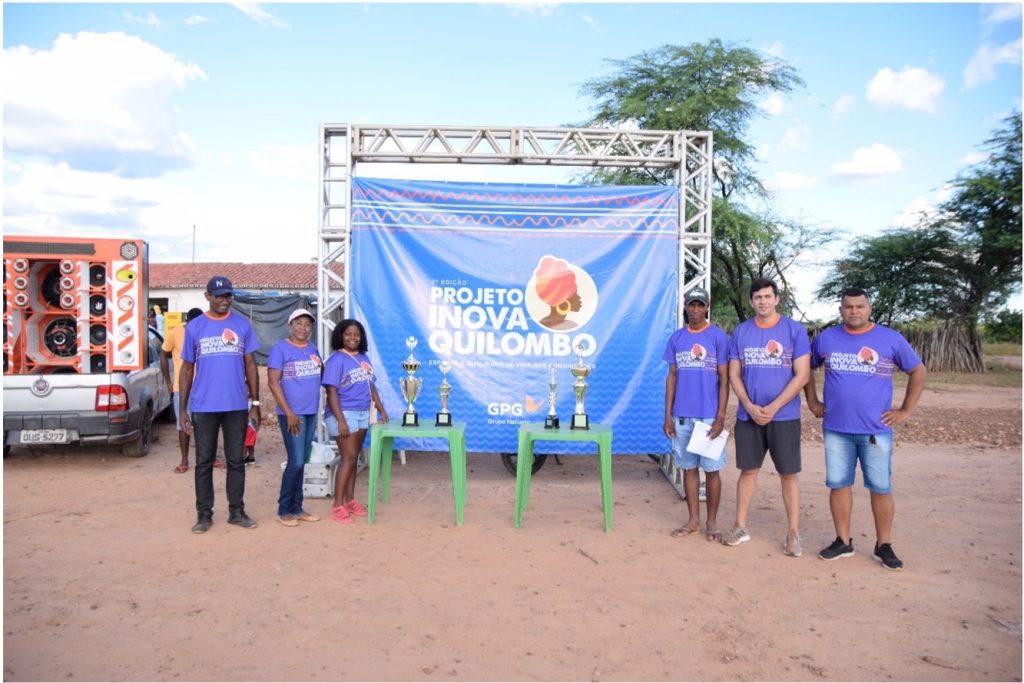
The Quilombola Basic Environmental Project (PBAQ), associated with the 30 MW Sobral I photovoltaic plant located in the municipality of São João do Piauí (Piauí,
Brazil), focuses on creating shared value and generating a positive social impact in the territories of Riacho dos Negros and Saco/Curtume. For the development of the PBAQ, close and ongoing engagement has been maintained with the community and local authorities to identify, design and implement actions aimed at promoting economic and social development in the region.
Noteworthy initiatives include beekeeping projects that provide training in apiculture and supply beehives and the necessary equipment for honey production to beneficiary families. The initiative also includes shared-use equipment such as centrifuges and honey uncapping tables. In addition, workshops promoting artisanal techniques such as tailoring and sewing or ceramics are encouraged.
Key initiatives include the lighting of the access road to the Palamara community and its main street, improving public safety and helping to prevent traffic accidents.
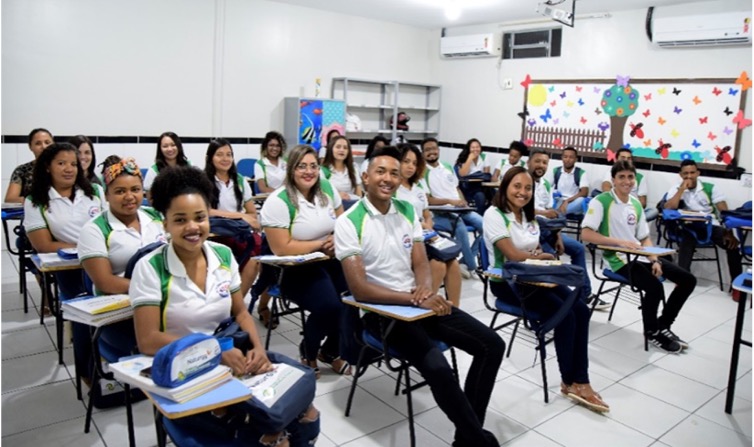
Support has also been provided to educational institutions through initiatives such as:
- Installation of drinking water fountains and a freezer at José Francisco Peña Gómez School
- Supply of notebooks for school support and literacy programs for children in the communities of Cristo Rey, Villa Juana, Villa Consuelo, Los Alcarrizos and surrounding areas
- Provision of materials and services for creative workshops for children and adolescents at Canillitas con Don Bosco
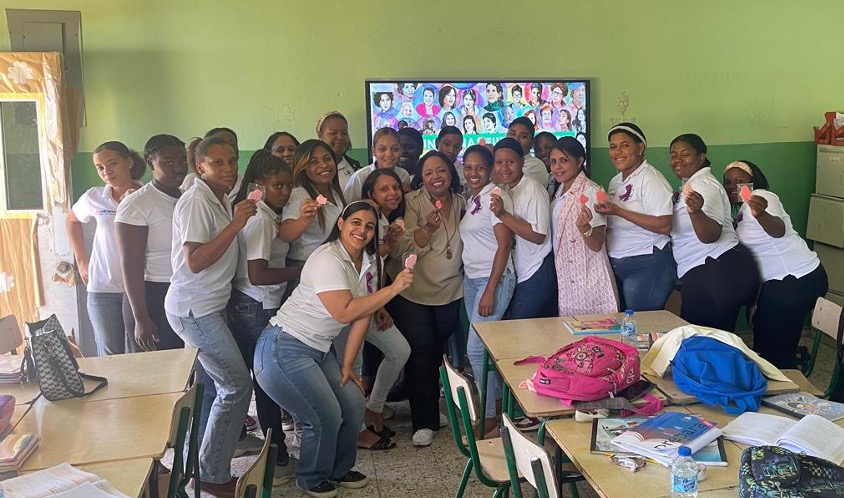
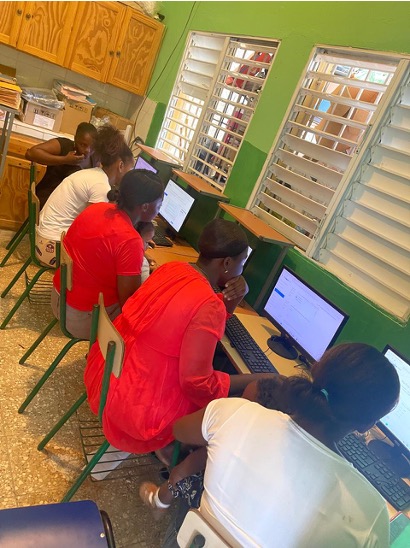
- Support for the renewal of computer equipment at CENAPEC
Support for local fire departments in La Guáyiga, Los Alcarrizos and La Vega is also noteworthy.
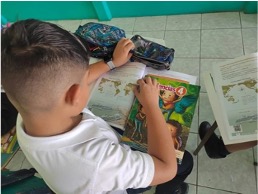
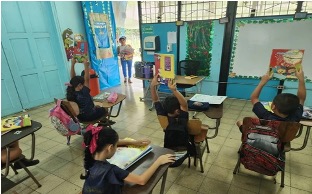
The “Books for All” initiative stands out, through which the company collaborates with a national publisher to provide books to schools in Turrialba.
In addition, contributions have been made to various initiatives aimed at improving the local environment, such as roofing the Yama community center, supplying water to local plots of land, and extending the Pavones aqueduct branch in Turrialba.
The Cabo Leones II Wind Farm, through its territorial community engagement management area, has developed a dynamic working tool to establish formal and sustainable long-term relationships with communities. Its design includes annual funding programs for social projects.
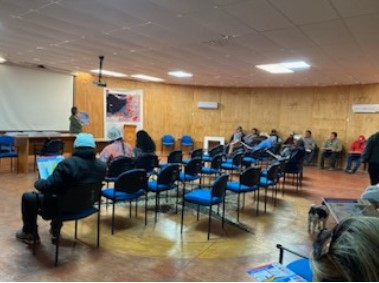
Solidarity Day